2024 was a good year for reading for me; I met my goals of 25 books and 100 short stories, and of the 26 books I read, there were actually 14 that I liked enough to award five stars to on Goodreads. From those 14, I present below my top 10, with capsule reviews that are basically shortened versions of the reviews I posted on Goodreads (and also in the READING tab in this blog). To be clear, these are not books that were published in 2024; they are my favorite books that I read during the year.
So here, in the order I read them, my favorite reads of 2024:
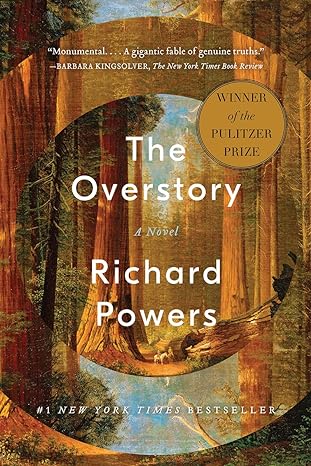
The Overstory
By Richard Powers
It’s hard to sum this book up; there’s a lot going on, a lot of characters to keep track of. They all have good stories, and in fact, the first half of the book was like reading a series of short stories. All of the stories involved, in some way, trees. And as trees became more and more a part of the overall story, it became clear what many of the human characters understood—that the story is really ABOUT the trees: the vital role they play in our biology and our culture; the mostly unrecognized way they interact with the millions of other species on the planet; and how our history is an awful lot more than just human history.
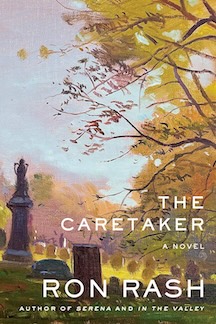
The Caretaker
By Ron Rash
North Carolina, during the Korean War. That’s the setting and I really don’t want to say much more than that, because I don’t want to give away any of the drama of this delicious story. OK, this: because of circumstances beyond their control, some of the characters in the story have very different—even opposite—realities. Or at least perceptions of their realities. It all leads to an absolute page-turner and an enjoyable read.
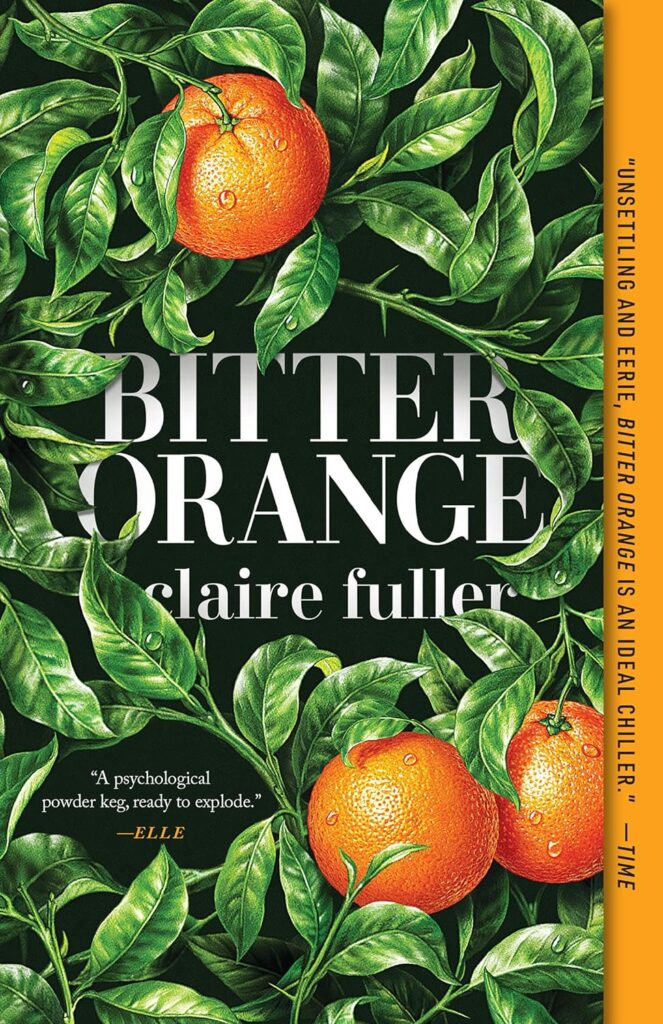
Bitter Orange
By Claire Fuller
I really enjoyed this book. The story is about a young woman, somewhat adrift after the death of her mother, who takes a job cataloging the gardens and architecture of a large English country estate for an American who has just bought it. She spends the summer there writing the report, and meets two other people who are also tasked with writing a report for the absentee estate owner.
Claire Fuller’s beautiful and highly descriptive writing doesn’t get in the way of the plot, which involves a slowly unfolding mystery told by multiple unreliable narrators. Let’s just say the reports don’t get written.
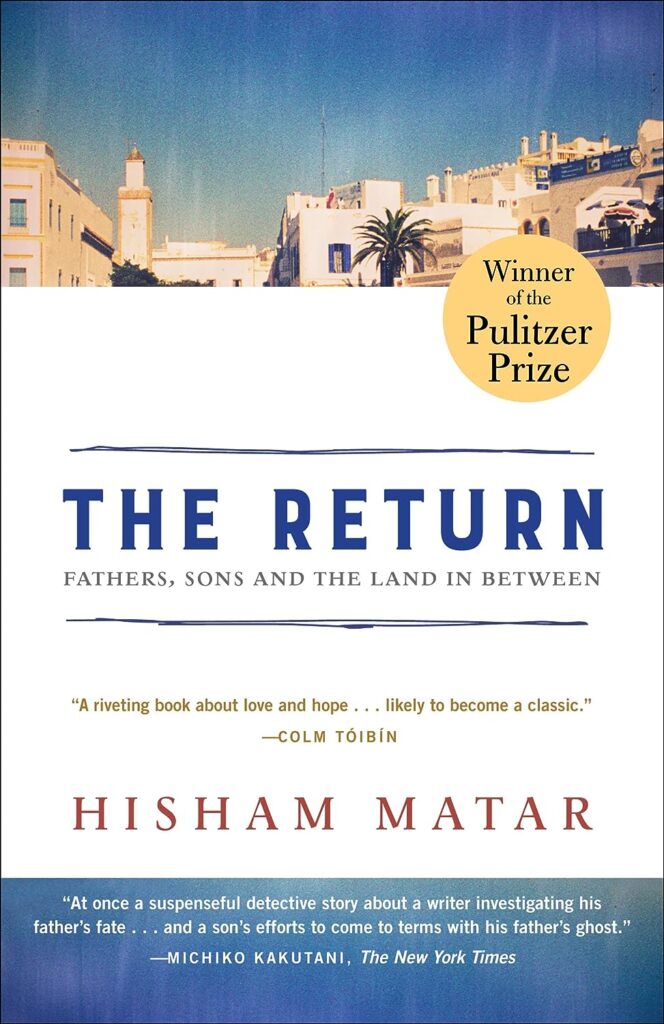
The Return: Fathers, Sons & The Land In Between
By Hisham Matar
Author Hisham Matar was born in New York, but his home, and that of his father and grandfather, is Libya.
Libya is a country I don’t think about much, and to be honest I wouldn’t have been able to point it out on a map before I got into this book. But this book was a Pulitzer Prize winner in 2017, so it’s on my “Books From The Teens” reading list, and I decided to read it after my own son became a father recently.
Man, did it deserve that Pulitzer.
The author’s father was imprisoned by the Muammar Gaddafi regime for more than 20 years, and then communications from him stopped suddenly. The story told in this book is of Hisham’s return to Libya to try to find out what happened, by visiting family members who were also imprisoned and others who knew his father, and even people in the regime. The result is a powerful and beautifully written story.
Day
By Michael Cunningham
This story follows a group of people—loosely, a family—on one day over three consecutive years. The day is April 5, and the years are 2019, 2020 and 2021. In other words, “normal” life, COVID life, and post-COVID life. The point of view shifts between all of the characters, even an imaginary character who has a fake Instagram account.
The overall tone of the book is somewhat dark—many of the characters don’t feel like they fit very well in their current situations—so it isn’t exactly uplifting reading. And it feels, sometimes, like it’s a little TOO intimate, like we’re going too deep inside the characters, particularly late in the first of the three parts. But it comes together well in parts two and three, so that’s a really minor complaint. Throughout, the writing is beautiful as always from Cunningham.
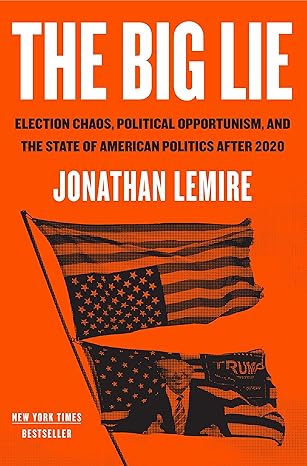
The Big Lie
By Jonathan Lemire
The title refers to Donald Trump’s insistence that he won the 2020 election—despite all of the evidence and court rulings to the contrary—and this book is a wrap-up of everything Trump and his cronies did to try to overturn the actual result.
As the book details, the roots of The Big Lie date back to 2016, when Trump declared that he wouldn’t accept the results of that election if he lost. Surprise!—he won, but that didn’t stop him from continuing to try to undermine our election institutions, especially as his 2020 re-election campaign approached. Once he—no surprise!—lost in November 2020, he wallowed in his self-pity for a short while, but then, with the help of some decidedly kooky advisers, cooked up a cauldron of wild theories to try to create enough doubt over the official results to throw the election into the House of Representatives. We all know how that turned out.
There’s not a lot of new ground broken here; anyone who watched the news over the last four years saw it all play out in real time. But this book is a nice compendium of everything that was done.
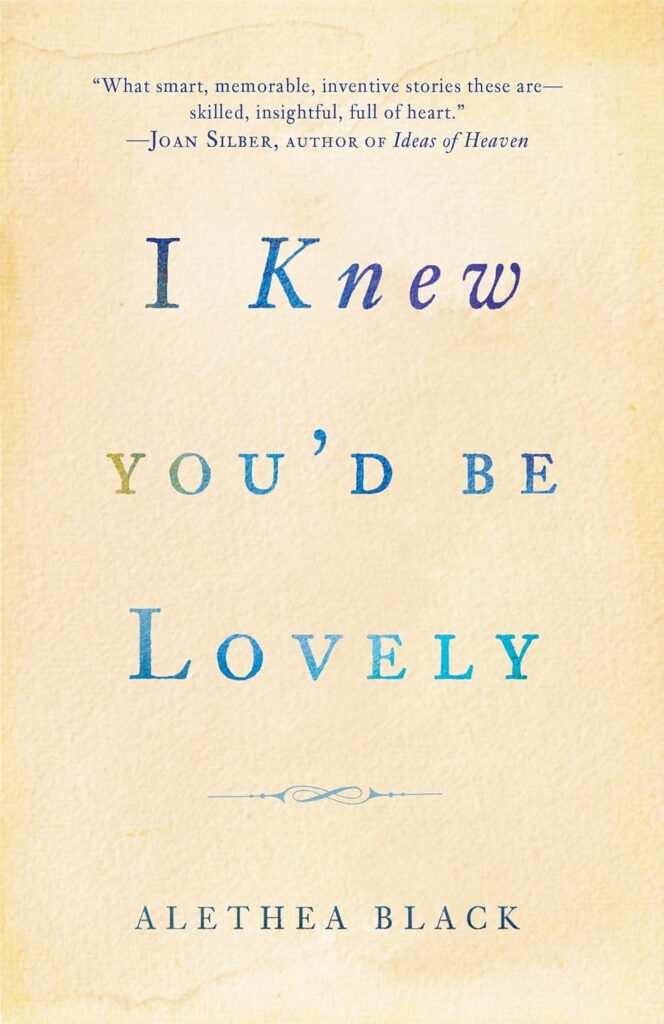
I Knew You’d Be Lovely
By Alethea Black
The 13 stories that make up this 2011 collection are uniformly brilliant and accessible—which is rare for short story collections, in my experience; usually there’s a clunker or two in the mix. In the spreadsheet where I keep track of my reading, I have almost all of them rated at 9 or 10 out of 10.
Favorites were: the title story, Mollusk Makes A Comeback, We’ve Got A Great Future Behind Us … but really, all of them were good. Unlike a lot of short stories these days, Black’s stories have well-defined beginnings and endings.
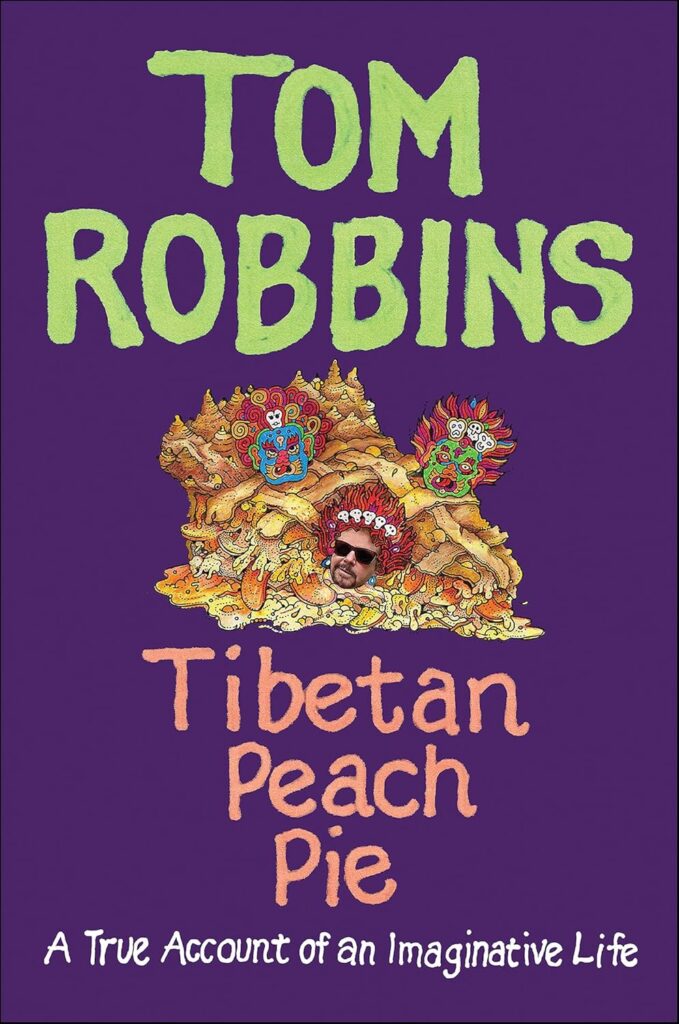
Tibetan Peach Pie
By Tom Robbins
Reading this book took me back to the early 1980s when I “discovered” Tom Robbins; I was hooked from the very first pages of Even Cowgirls Get The Blues. I’ve read almost all of his books since then, but it’s probably been 20 years since I last opened one of them.
Tibetan Peach Pie is Robbins’ memoir of Robbins’ creative life, and, like Cowgirls and his other best novels, it was a joy to read. And that sounds like a cliche, but “joy” is a perfect word for Robbins’ prose. It may not be for everybody, but in my mind, his writing ranks as some of the most imaginative and, well, fun, fiction out there.
And in this memoir, he describes his creative life with the same exuberance that marks his fiction. It makes me want to go back and catch up on the few books of his I haven’t read, and revisit some of the other ones, in some cases for the third time.
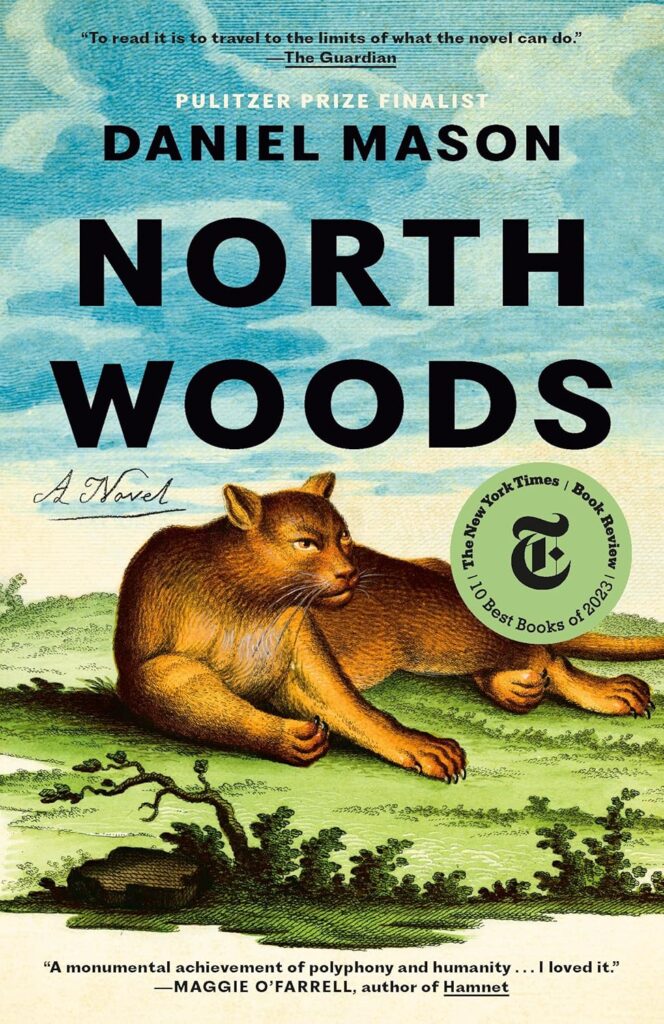
North Woods
By Daniel Mason
This was a fabulous book. It’s the story of a cabin in the woods of western Massachusetts, and the various inhabitants over hundreds of years, as well as a few other people who passed through over the years. Besides the location, their stories intersect in small and somewhat mysterious ways.
You can’t get bored reading it, because every section is written in a different style, point of view and even genre. Even the pulp/true-crime section was beautifully written.
Demon Copperhead
By Barbara Kingsolver
I love everything that Kingsolver writes, and this one was no exception, even though it was quite different, in my mind, from much of her other work. In books like Flight Behavior and Prodigal Summer, I was blown away by her highly detailed descriptions of nature and natural processes. That’s almost completely absent in this 591-page book. What grabbed me here, though, was the language. The voice of the narrator—who picked up the nickname Demon Copperhead very early in the story—is completely unique and natural, right out of the hills of Virginia.
The book is a retelling of the Dickens novel David Copperfield, but set in modern-day Appalachia. You don’t need to have read David Copperfield (I haven’t) to enjoy it. Demon is born into poverty and bounces around to several abusive foster homes before ultimately being caught up in the opioid crisis. It’s a poignant, masterfully written story, and absolutely deserving of the Pulitzer Prize for Fiction that it won in 2023.
Other Five-Star Books I Read This Year
Honorable Mentions for these reads, which got crowded out of the Top Ten but which helped make my reading year an enjoyable one:
Just Kids by Patti Smith
Train Dreams by Denis Johnson
A Life Impossible by Steve Gleason
Prep by Curtis Sittenfeld
If I had to pick a “best in show” from all of the above, I’d go with Tibetan Peach Pie for nonfiction, and Demon Copperhead for fiction.
Reading List Update
As readers may remember, at the beginning of the 2020s I resolved to read all of the Pulitzer and National Book Award winners—in certain categories—from each year 2010-2019. My “Books From The Teens” list has introduced me to a lot of books that I otherwise probably wouldn’t have read. In fact, I’m currently reading Prairie Fires: The American Dreams of Laura Ingalls Wilder by Caroline Fraser; it’s a book I almost certainly wouldn’t have picked up on my own, as I’ve never read the “Little House” books and don’t expect to. But Prairie Fires won the Pulitzer in 2018, so it’s on my list. (So far, it’s better than I had hoped and expected, although as I write this I’m only about 100 pages into it).
The list has a total of 50 books. This year I read six books from the list, bringing me to 27; I have five more years to finish the other 23 before the end of 2029. Meanwhile, I have a head start on my still-growing “Books From The ’20s” list, with three read so far.
Onward to 2025: Happy reading!
Top photo courtesy of Pexels-Pixabay
